
When Should You Start Pre IPO SOX Preparation?
Your company can be ready to tell its growth story before it is ready to defend its financial reporting. That gap becomes uncomfortable when investors ask about a material weakness, auditors request missing approvals, or finance must reconstruct months of control activity while preparing for an IPO.
Growth creates the conditions for that gap. Acquisitions introduce unfamiliar systems. Employees retain access from previous responsibilities. Teams approve transactions through email and keep evidence in separate spreadsheets. These arrangements can become harder to manage as the business expands.
Pre-IPO SOX readiness means identifying material financial reporting risks, designing appropriate controls, assigning accountable owners and building evidence that those controls operate effectively. Begin early enough to uncover weaknesses, correct them and demonstrate that the corrections work.
For companies preparing to go public, the challenge is to establish this discipline while continuing to grow. Finance, IT and audit need a shared preparation plan that connects financial reporting to the systems, people and decisions supporting it. The most useful starting question is immediate: could you produce complete, reviewable control evidence today?
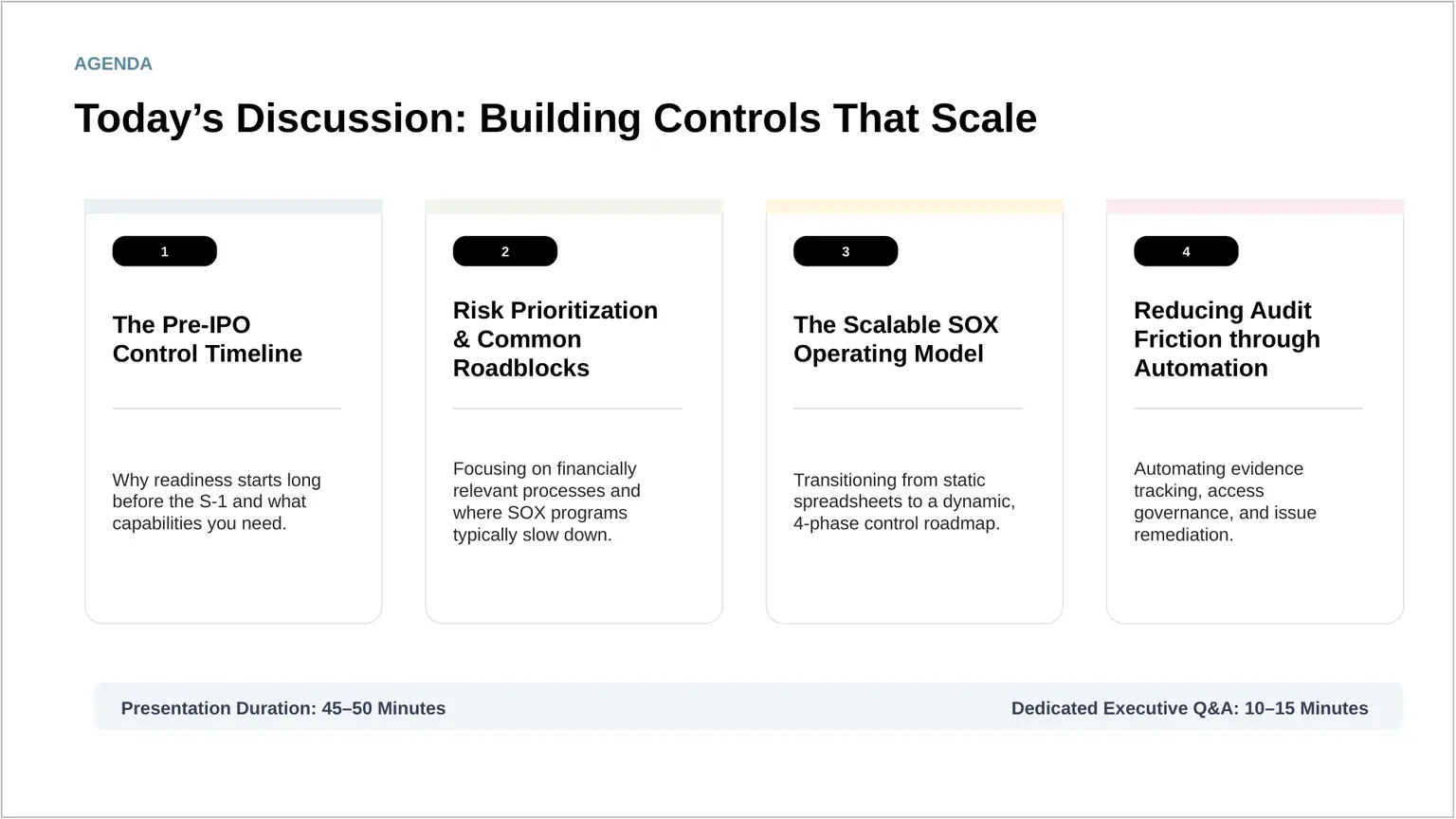
Figure 1. Pre-IPO preparation connects control timelines, financial risk, operating discipline and automation.
Start with your business complexity and anticipated listing timetable. Multiple locations, acquisitions and technology transformations require room to assess risks, standardize practices and test controls. A simpler application landscape may support a shorter program, but every company needs evidence of actual operation.
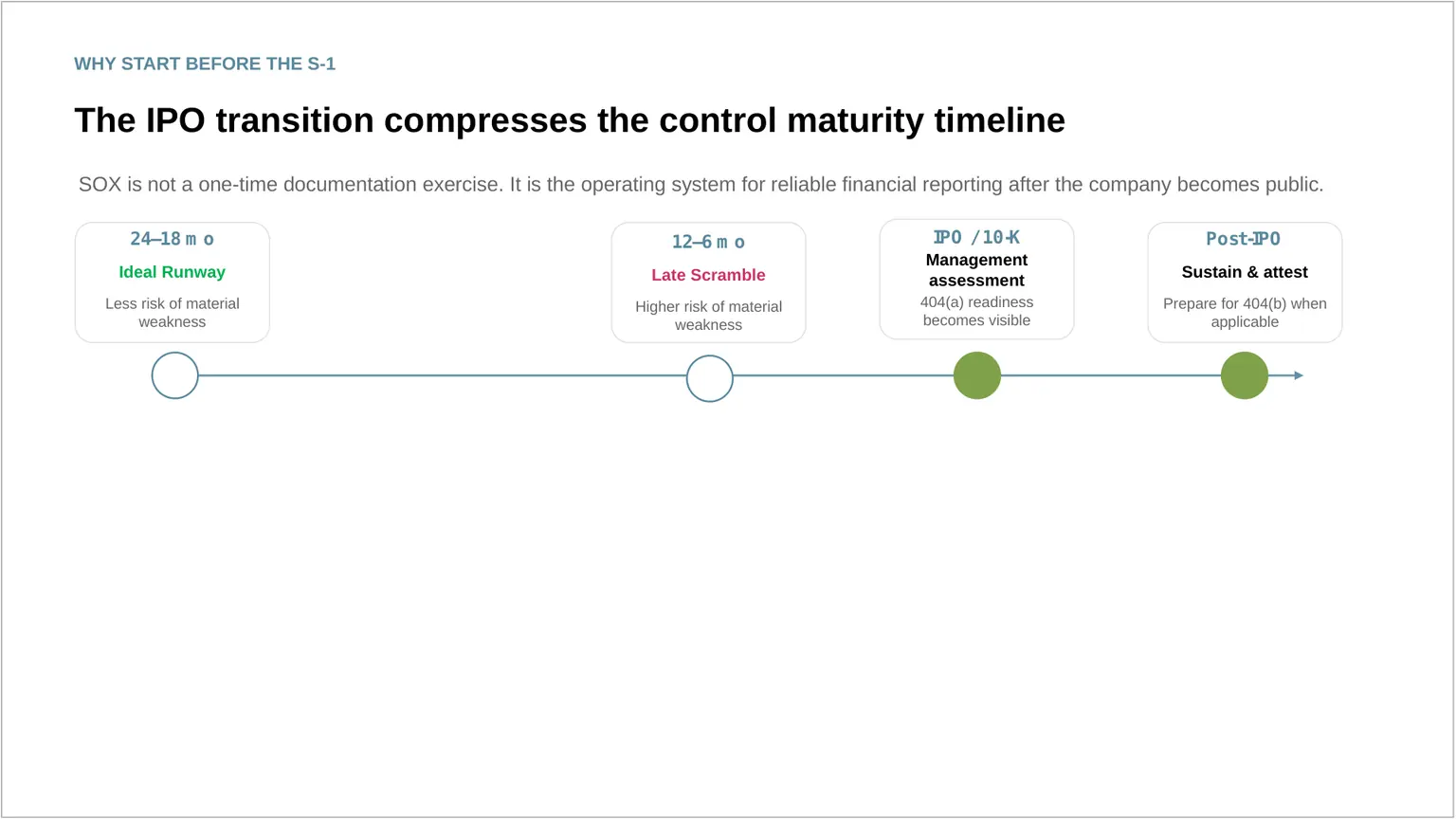
Figure 2. Plan for control operation before the IPO and sustained governance afterward. The timeline provides illustrative planning guidance.
Waiting until the filing approaches creates a predictable problem: documentation advances faster than control maturity. Teams can write policies and control descriptions quickly. They cannot retrospectively create approvals that never happened or an operating history that does not exist.
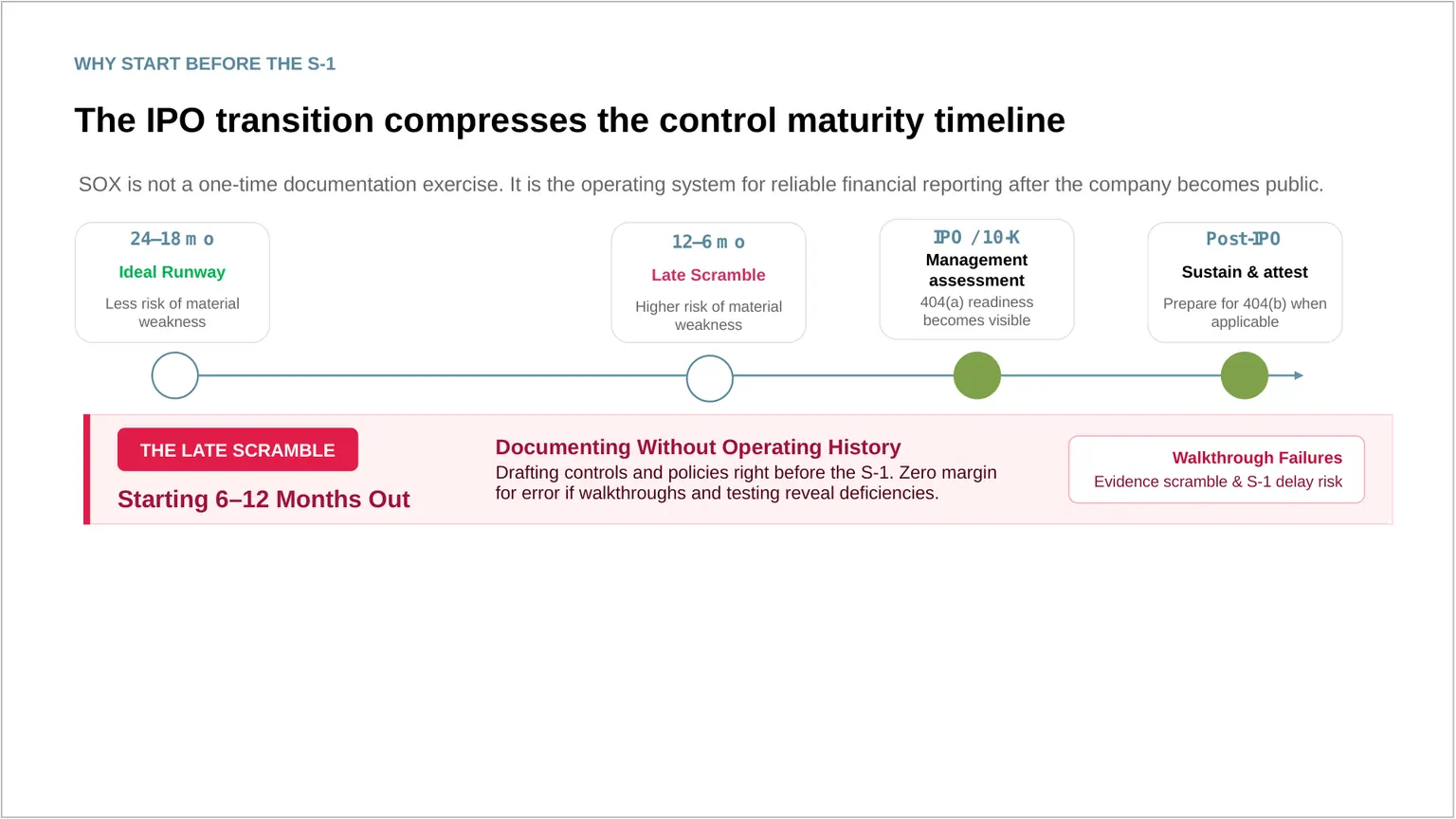
Figure 3. A compressed preparation period leaves less time to establish evidence and correct weaknesses.
Build controls into everyday work while you still have time to learn from failures. Establish review schedules, preserve approval histories and track exceptions as they arise. Give revised controls enough time to demonstrate effectiveness before relying on them for readiness.
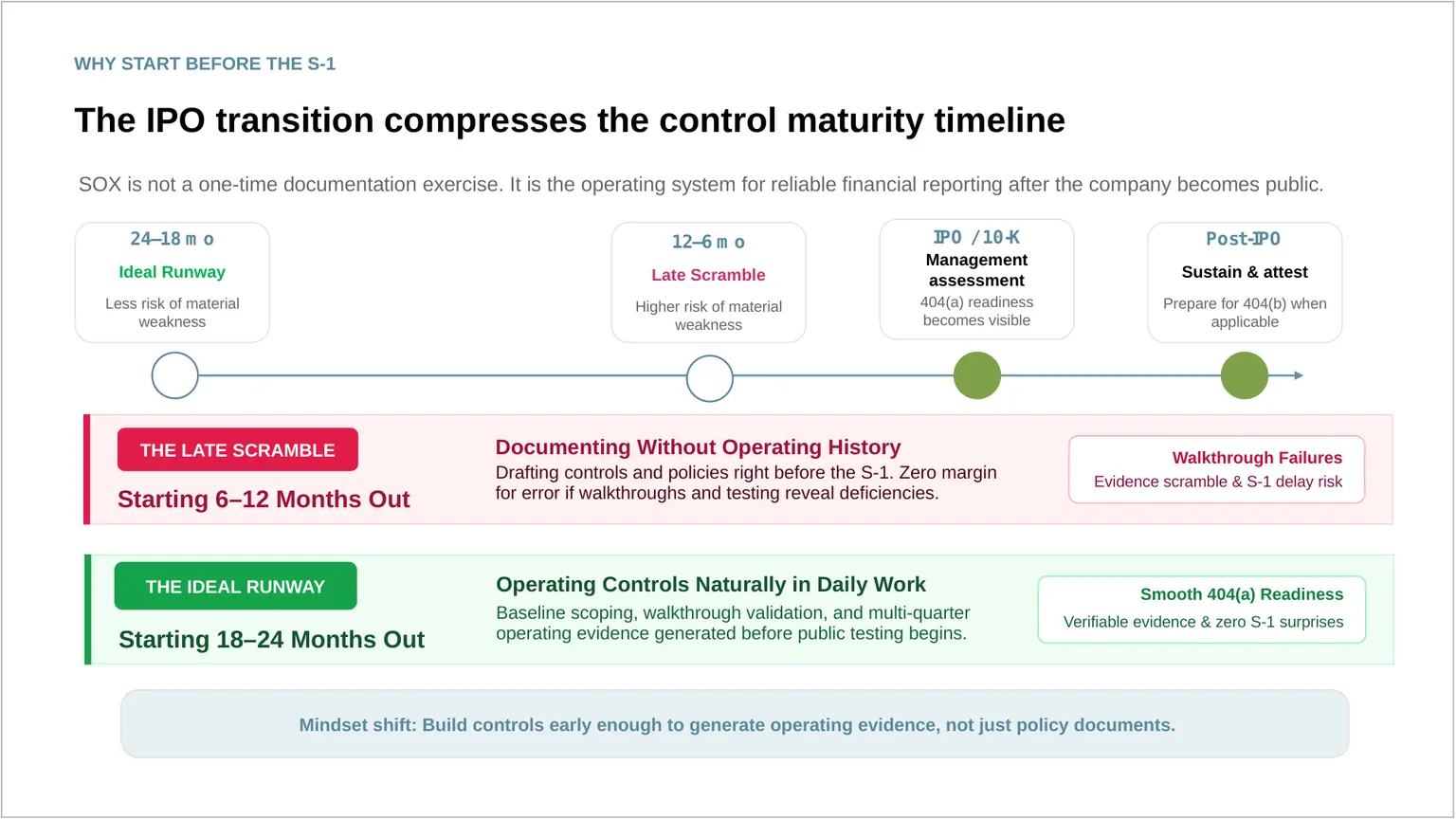
Figure 4. An early start creates time for controls to operate consistently and generate reviewable evidence.
Scope SOX Around Material Financial Reporting Risks
An oversized control inventory can overwhelm finance without improving assurance. Begin with the income statement and balance sheet. Evaluate material accounts using quantitative and qualitative considerations, then identify the processes, locations, applications and third parties supporting them.
Revenue, purchasing and payments, payroll and financial close are useful starting points. Examine how each process works in practice. Headquarters may follow a different approval or reconciliation process from another location, even when both use the same policy.
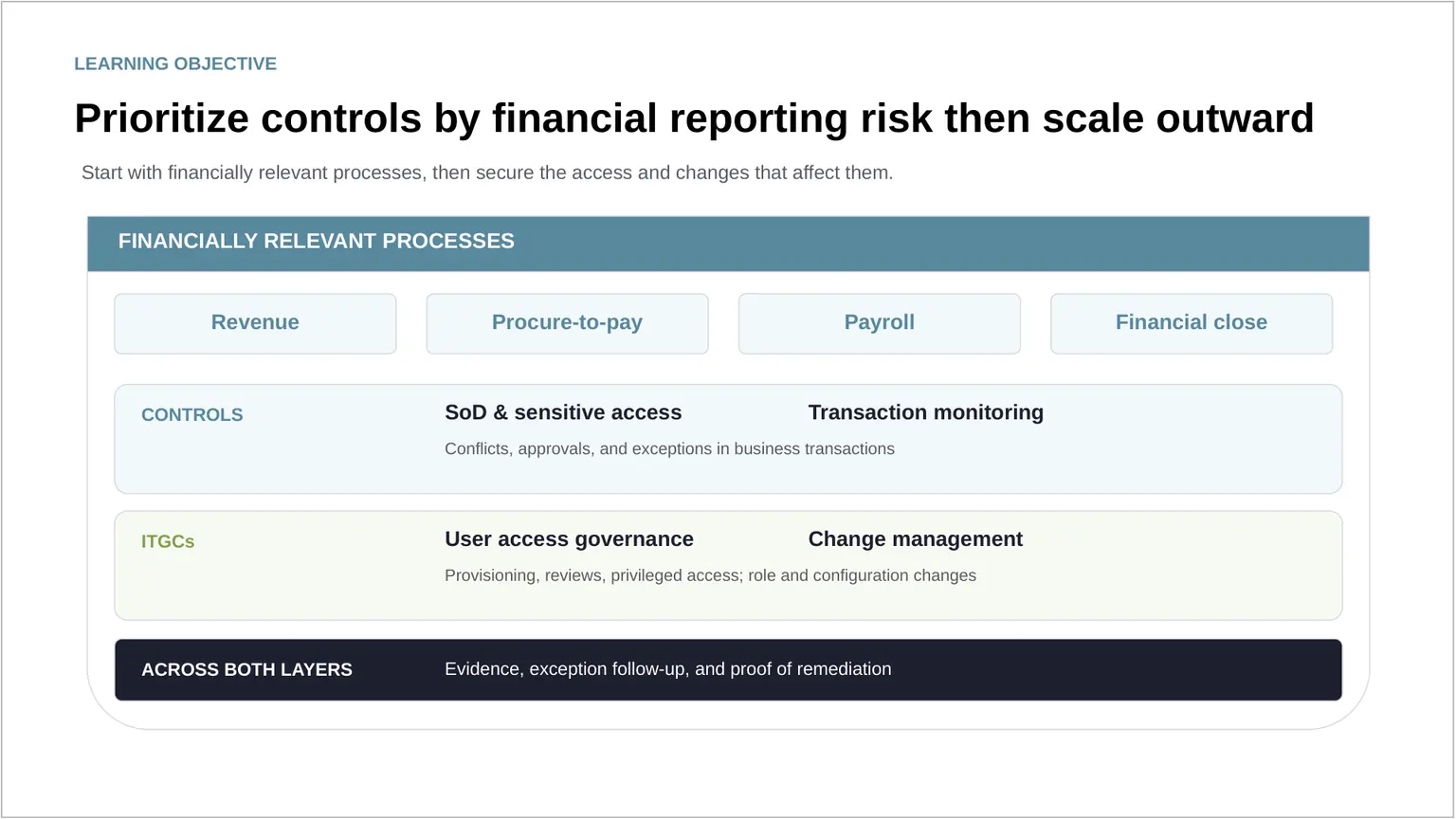
Figure 5. Financially relevant processes determine the access, transaction and IT controls requiring coverage.
Include entity-level controls, segregation of duties and relevant IT general controls. Apply consistent evidence and exception-handling standards across these layers. Standardize controls where operations support it, while retaining differences that reflect actual business risks.
Build an acquisition onboarding playbook. Map each acquired entity into the common risk and control framework, identify its applications and assign integration owners. Address access, evidence retention and control gaps before they become a growing remediation backlog.
Strengthen the IT Controls Behind Financial Reporting
Financial reporting depends on trustworthy systems. Weak access or change controls can undermine confidence in the reports those systems produce. Assess provisioning, privileged access, periodic access reviews, code changes and relevant operational and physical security controls against your application landscape.
Manual access reviews illustrate the challenge. A user-and-role report may pass through several countries, spreadsheets and reviewers before finance recombines the results. The team must then show that the review population stayed complete, the source data remained intact and every response reconciled.
Use governed workflows to preserve the original population, reviewer assignments, decisions and approvals. Confirm the accuracy and completeness of the data supporting the review. Automation reduces reconciliation work when it preserves a traceable connection between the source and the outcome.
Design controls for your own systems and risks. A framework copied from another company may overlook a critical application, an integration account or a change path affecting financial data.
Find Segregation of Duties Conflicts Across Systems
Application-by-application reviews can miss a person’s combined capabilities across a business process. Someone might maintain suppliers in a procurement platform and create invoices in Oracle Cloud. Assessing each application separately may leave that combination invisible.
Define a risk-based segregation-of-duties matrix and analyze the underlying permissions supporting each activity. Follow access across systems, measure conflicts and retain evidence of remediation or approved mitigating controls. SafePaaS supports cross-system SoD analysis to help organizations assess these combinations across their application landscape.
Monitor access drift as employees move between responsibilities. Review broad privileges granted during implementations, including developer access to production migration and finance access to posting. Go-live urgency can leave permissions in place beyond the task that justified them.
Resolve inappropriate combinations before launch where possible, and continue monitoring afterward. Growth and system changes keep creating new access risks after the IPO.
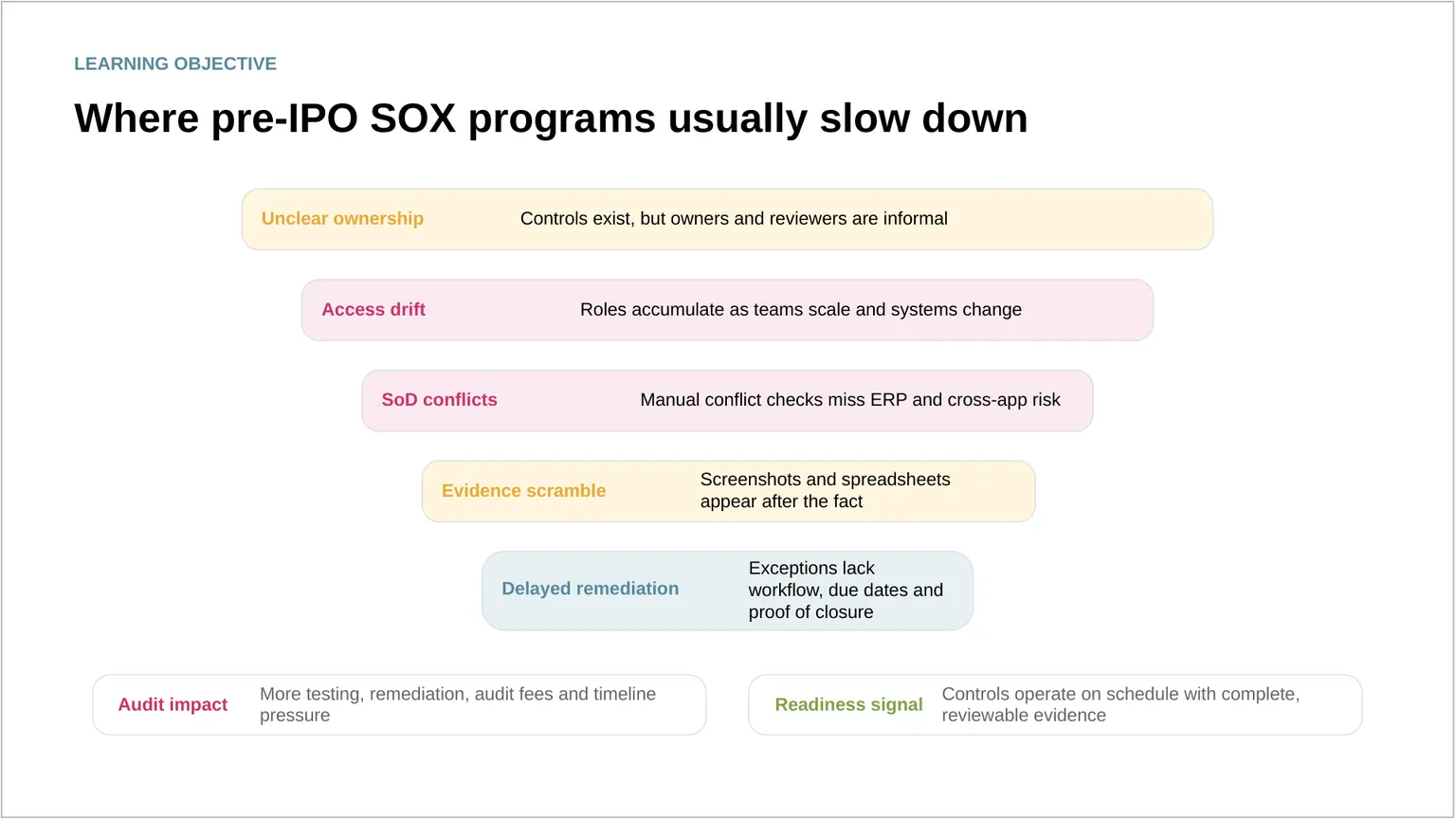
Figure 6. Access drift, missed conflicts and unclear ownership can compound evidence and remediation delays.
Run SOX as a Repeatable Operating Model
Controls slow down when ownership is informal, evidence arrives after the fact or exceptions have no deadline. Establish a repeatable cycle with clear responsibilities:
- Define: Document risks, controls, process flows, owners and evidence standards.
- Execute: Perform reviews, approvals and reconciliations on an established schedule.
- Monitor: Assess control results, SoD conflicts, privileged access and unresolved exceptions.
- Remediate: Assign corrective actions, track deadlines and verify closure with supporting evidence.
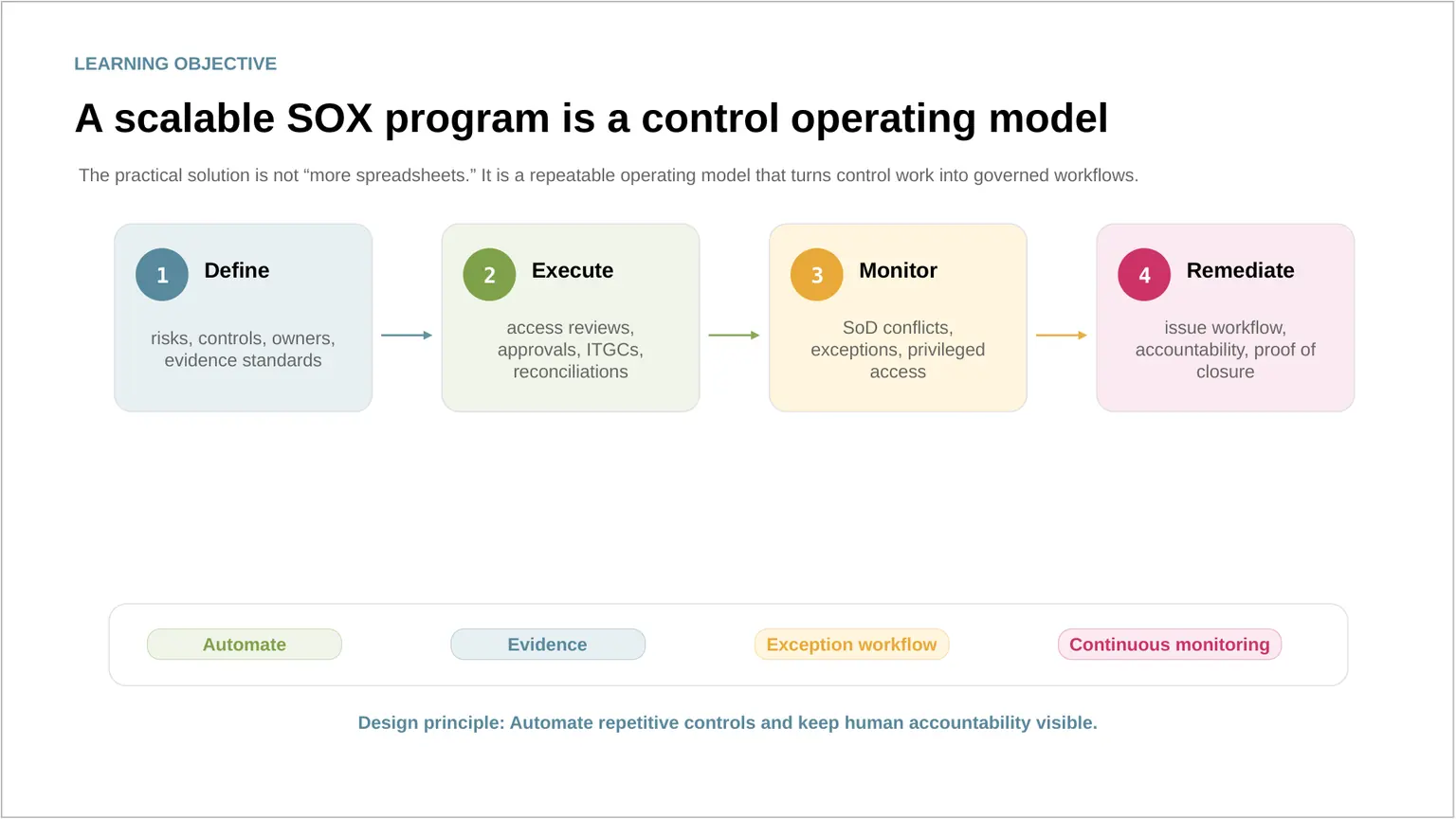
Figure 7. Define, execute, monitor and remediate form a repeatable control operating model.
Automate repetitive work while keeping decisions accountable. Data extraction, evidence retention, reminders and exception routing can run through governed workflows. Control owners still need to assess results, approve decisions and resolve failures.
Apply this approach to reduce operational friction as well as audit requests. Purchasing and payments workflows built around email attachments and disconnected spreadsheets can delay approvals and complicate invoice matching. Redesigning the workflow can improve processing and help teams capture available discounts.
For journals requiring different authorization levels, enforce the relevant approval path and retain its history. Connect control execution to evidence capture so finance can retrieve the record without recreating it later.
Evaluate value through time spent chasing approvals, collecting evidence, reconciling records and resolving exceptions. Introduce automation during preparation, when teams can shape the workflow and evidence standards together.
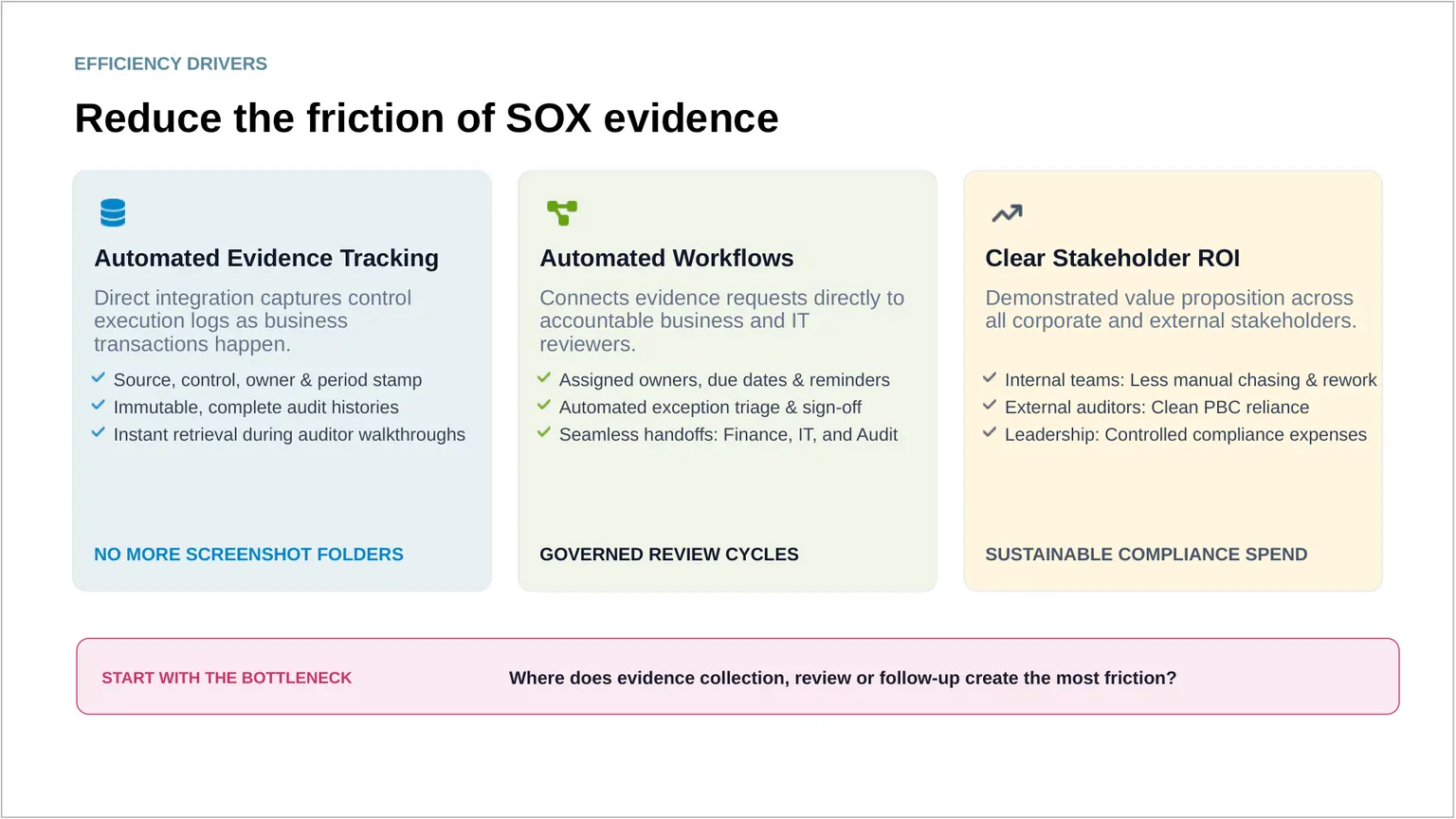
Figure 8. Evidence capture and accountable review workflows reduce friction in SOX execution.
Build a Phased Pre IPO SOX Roadmap
Organize preparation into four overlapping phases:
- Baseline: Establish scope, assess risks, inventory applications and third-party SOC reports, and name control owners.
- Design: Develop process narratives, risk and control matrices, IT controls, access models and a baseline SoD ruleset.
- Operate: Conduct walkthroughs, train owners, capture evidence and triage issues.
- Assure: Test readiness, verify remediation, prepare management assessments and report progress to the audit committee.
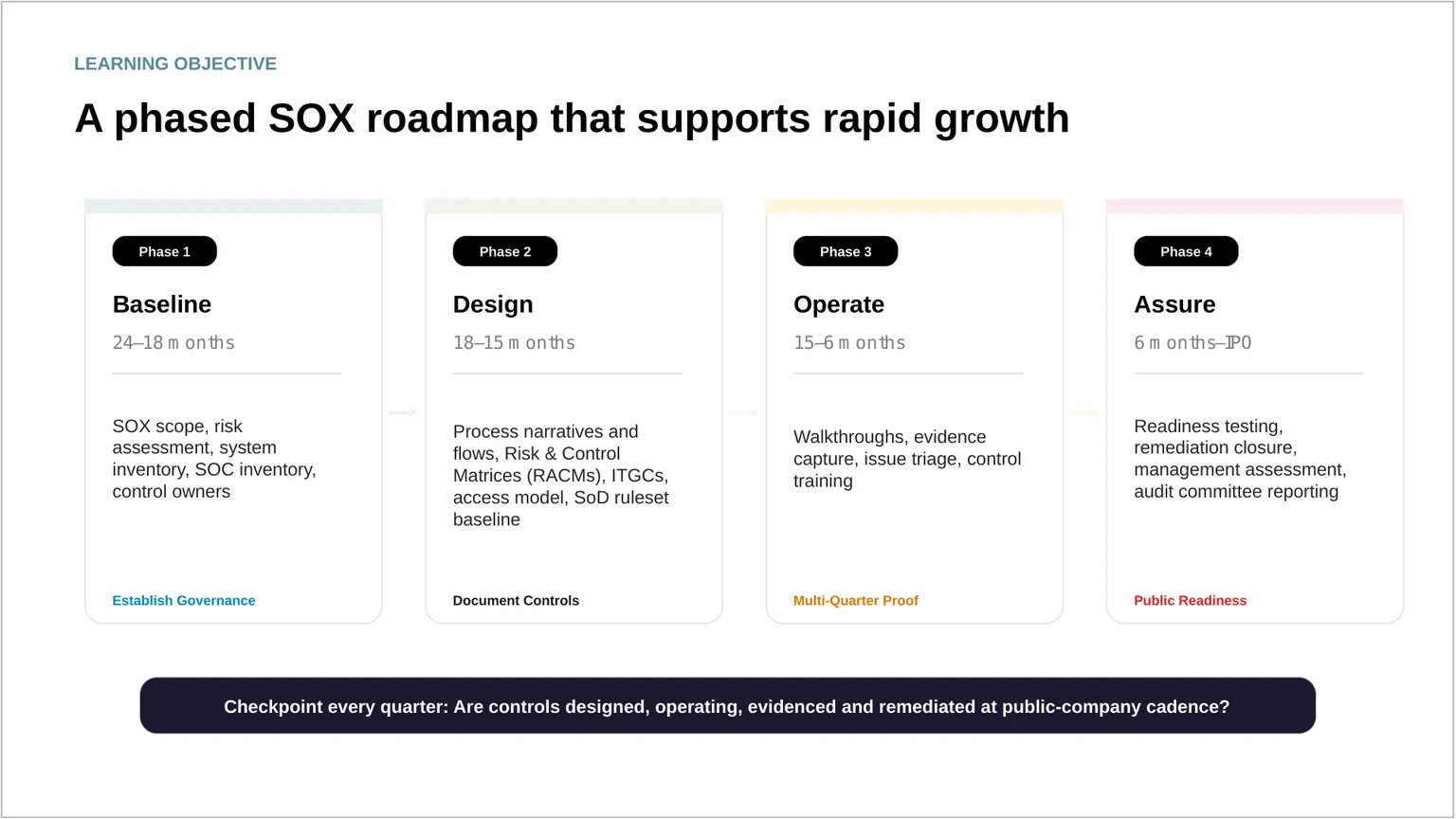
Figure 9. The roadmap creates time to establish scope, design controls, demonstrate operation and validate remediation. Month ranges are illustrative.
A remediated control needs evidence that it works. How much evidence is required depends on the control, its frequency, and the circumstances. Build sufficient operating history into the plan rather than relying on a universal waiting period. PCAOB standards require sufficient evidence of operating effectiveness. PCAOB AS 2201
If the timetable is compressed, overlap phases where possible. Begin designing clearly relevant processes while completing broader scoping. Assign owners immediately and distinguish actions completed from remediation verified. Evaluate smaller deficiencies together because their combined effect could aggregate to become more serious.
Provide management and, as needed, the audit committee, a clear view of deficiency themes, evidence readiness, and remediation progress. Surface unresolved risks early enough for leadership to understand the implications for filing and investor communications.
Establish Public Company Governance Before Listing
Preparation extends beyond the control inventory. Establish audit leadership and an audit committee chair where needed. Align with external auditors on materiality and address technical accounting policies for complex areas such as revenue and leases depending on the business.
Create a reporting cadence and disclosure committee. Obtain relevant third-party SOC reports, establish access baselines and agree on evidence standards. Finance, IT, business owners and leadership must share responsibility for readiness.
Management assessment of internal control over financial reporting, CEO and CFO certifications, and external auditor attestation are distinct obligations. Applicable requirements and exemptions depend on company and filer status, including emerging growth company provisions. Map the requirements and timing that apply to your organization. SEC guidance on emerging growth companies
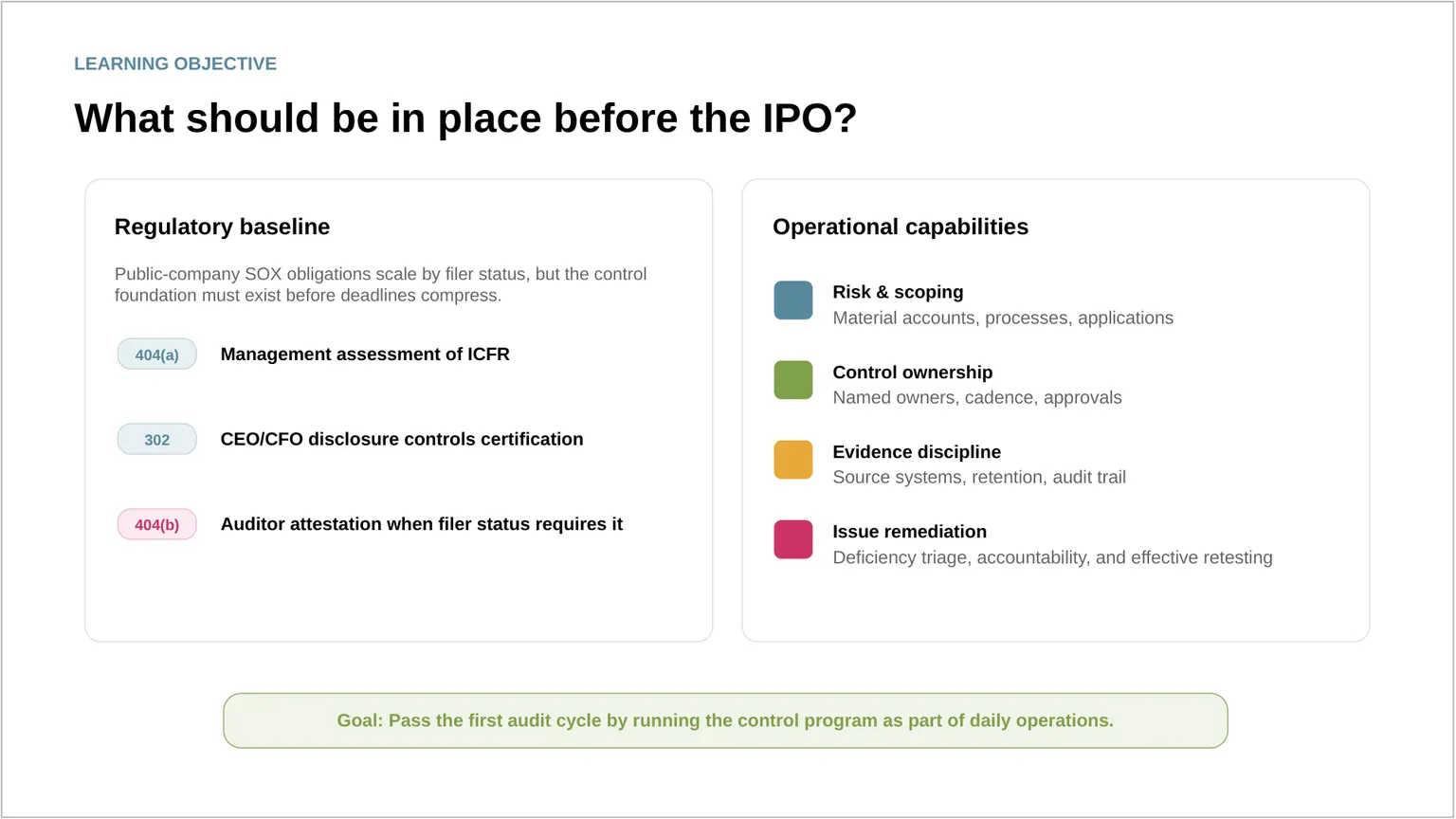
Figure 10. Public-company obligations and operating capabilities require separate attention. Applicability and timing depend on company and filer status.
Prepare cybersecurity disclosure processes alongside the financial control program. Establish incident identification, escalation and assessment procedures, with coordination between security, finance, legal and disclosure leadership. SEC rules require disclosure of material cybersecurity incidents. SEC guidance on cybersecurity incident disclosure
Test the procedures behind the security frameworks you use. Understand how industry obligations, including PCI requirements where relevant, sit alongside SOX. Give each requirement an accountable owner and a clear place in the governance framework.
Key Takeaways for Pre IPO SOX Readiness
- Start producing evidence early enough to identify weaknesses and prove corrections.
- Prioritize material financial reporting risks, the third parties, and the systems supporting them.
- Assess access across applications and revisit privileges after role or system changes.
- Automate repeatable work while retaining accountable control owners.
- Report readiness through evidence quality, unresolved deficiencies, and verified remediation.
Test Your Readiness Before the Market Does
Choose one material process and assess it from transaction initiation to financial reporting. Confirm who owns its controls, trace access and approvals across systems, retrieve the evidence and examine unresolved exceptions.
Use the findings to set priorities with finance, IT, audit and advisers. A scoped pre-IPO controls discussion should identify the gaps, assign owners and define what evidence will demonstrate improvement.
Your next milestone is a control program that operates reliably as the company grows. Build operational discipline early so leadership can spend investor roadshows highlighting business growth and the story rather than explaining internal control deficiencies.